← Back/E-Commerce / AI

Smart Commerce

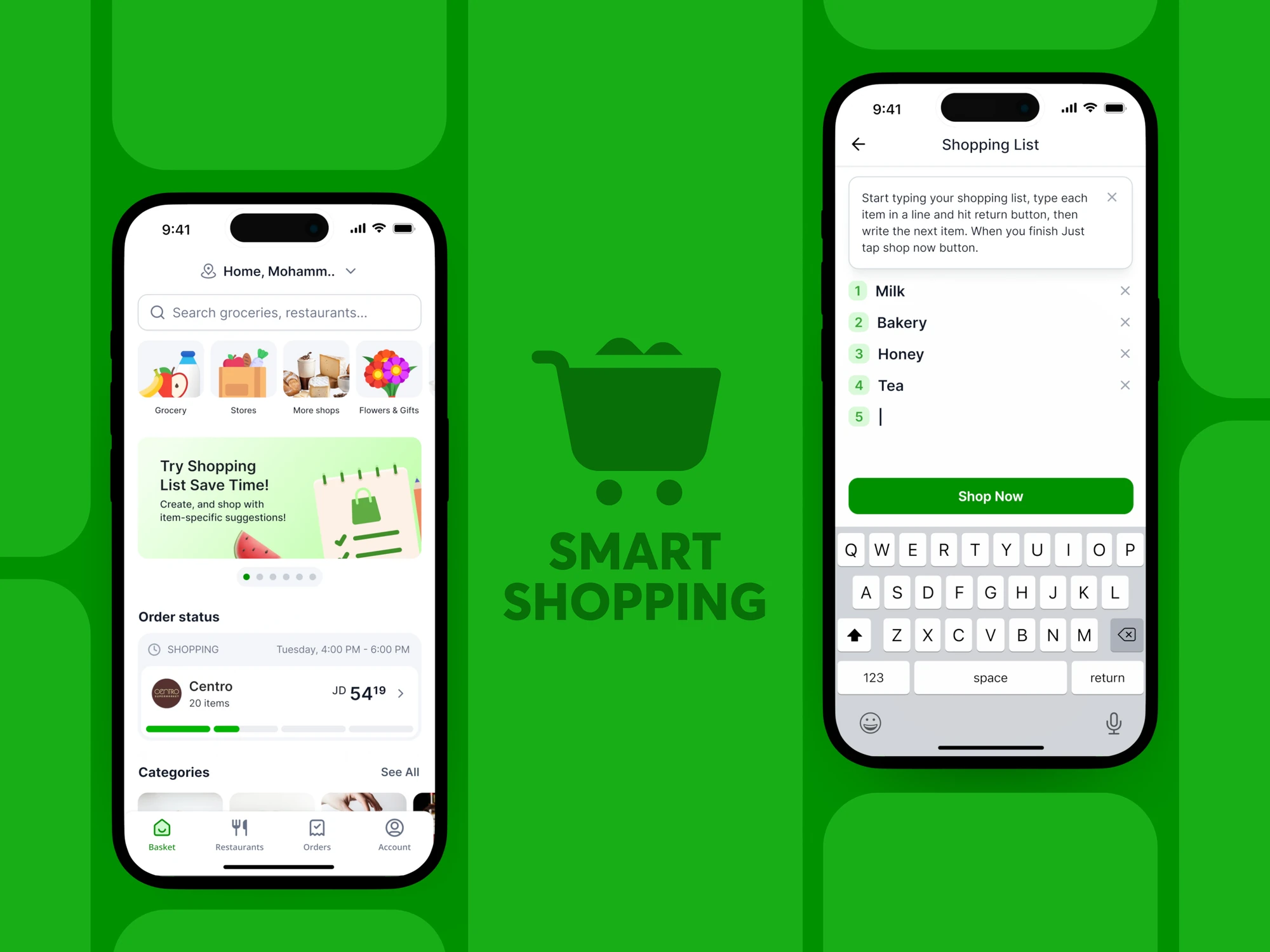
E-commerce personalisation was stuck in the 'customers also bought' era, and it showed: across 50,000 sessions, 68% of users abandoned product discovery within 30 seconds when recommendations felt generic. In 2023, as Lead Product Designer, I studied how store associates actually narrow choice, by observing, asking one useful question and reducing the options, then designed retail surfaces that adapt to the shopper in real time instead of restating what other people bought.

RoleLead Product Designer
Year2023
Tags
E-CommerceAIGroceryMobile
View on Dribbble
Smart Commerce
At a glance

45%

More product discovery engagement

18%

Higher average order value

01The problem

Shoppers abandoned discovery within 30 seconds because recommendations felt generic.

Across 50,000 sessions, 68% of users abandoned product discovery within 30 seconds when recommendations felt irrelevant. Personalisation ran on co-purchase data alone, and the interface had no way to show why anything was surfaced.

Smart Commerce, the problem

02How we thought about it

Good recommendations behave like a store associate, not a co-purchase list.

The model was the easy half. A system can be statistically right and personally useless when it shows a suggestion without saying why. Associates observe, ask one useful question and reduce the options, so that became the interface's job description.

03What we changed

  1. 01

    Narrowed the options instead of widening them

    An associate offers fewer, more relevant choices with the reasoning visible. More options is the lazy answer.

  2. 02

    Made one product card adapt per shopper

    Deal seekers, quality-led shoppers and convenience shoppers need different facts first. I set the emphasis as rules on one component, and each suggestion carries its reason.

  3. 03

    Carried preferences through to checkout

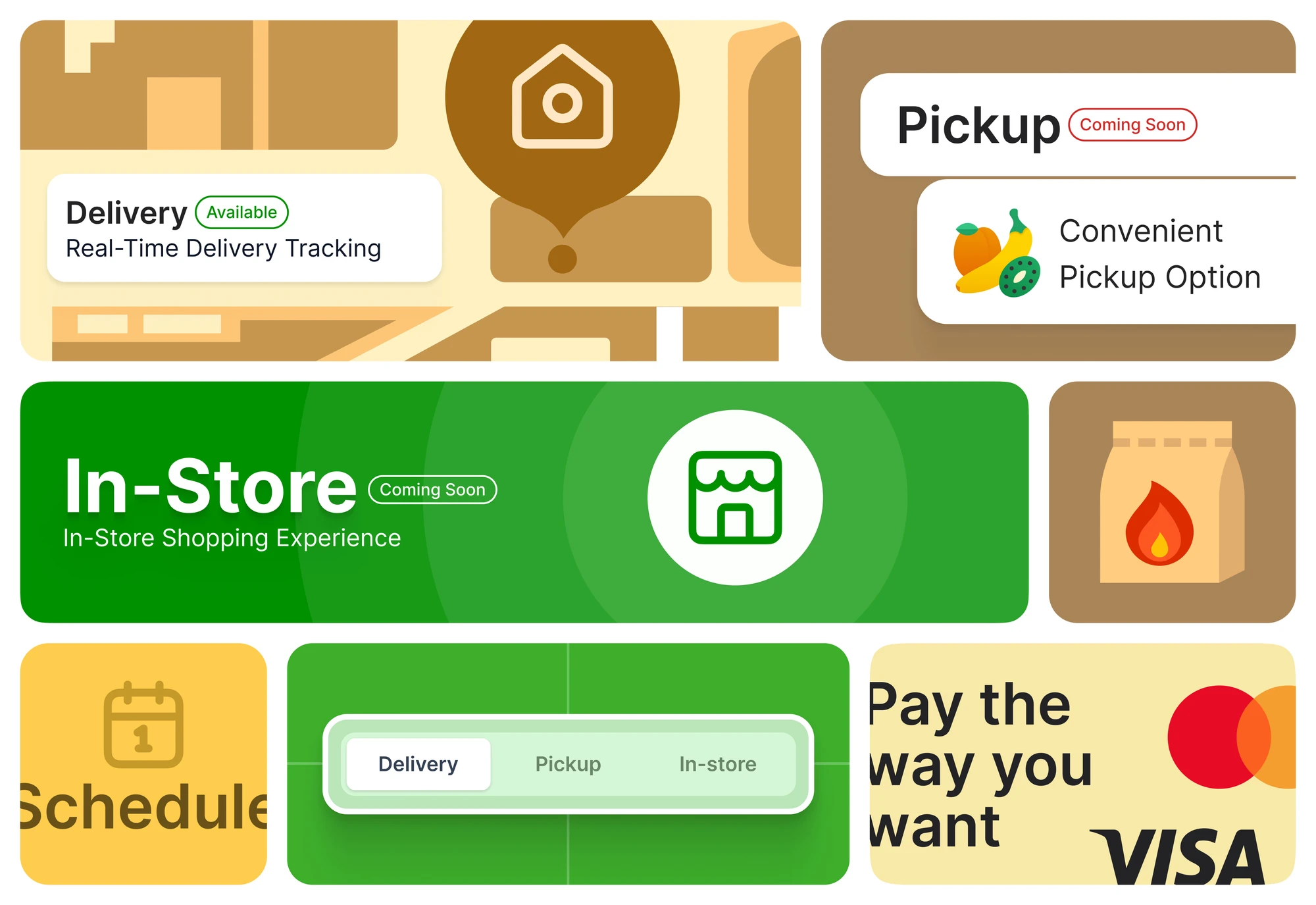
    What the page learns about a shopper should not be lost at the till. Checkout pre-fills from known preferences and keeps one cart across delivery, pickup and in-store.

The trade-off

I did not design separate cards for each segment, because three components would have drifted within a quarter.

04What it did

Product discovery engagement increased 45% with smart shelf reordering. Average order value grew 18% through contextual cross-selling that felt helpful rather than pushy.

How we knewEvidence

50,000 sessions located the abandonment; store associates supplied the model.

Analytics

Quantitative

50,000

Shopping sessions studied. 68% abandoned discovery within 30 seconds when recommendations felt generic.

Interviews

Qualitative

Physical retail associates observed as the model for narrowing choice: watch, ask one useful question, reduce the options.

Analytics

Quantitative

+45%

Product discovery engagement, with 18% higher average order value.

DecisionsAnd why

What we saw, what we knew, what we chose, and what we gave up.

01

Ask one useful question instead of restating what others bought

What we saw
Co-purchase data is statistically true and personally useless, and nothing showed why an item was surfaced.
Evidence
Analytics· Quantitative68% abandonment within 30 seconds across 50,000 sessions.
Interviews· QualitativeHow associates actually narrow choice.
So we
Surfaces that adapt emphasis per shopper through a contextual question, defined as rules on one component.
Not
A better 'customers also bought' carousel.
What happened
Discovery engagement rose 45% and average order value 18%.

User testingWhat was and was not tested

Evidence is behavioural at scale and outcome-based. A moderated test of the question flow is not recorded.

My role

Lead Product Designer

What I personally owned on this project.

  • 01Led the design across recommendations, visual search, multi-channel grocery and checkout
  • 02Ran the behavioural analysis across 50,000 sessions that reframed the problem
  • 03Designed the adaptive product-card system and its per-segment emphasis rules
  • 04Designed the single multi-channel cart with mode-specific adjustments
Made with
FigmaBehavioural analyticsPersonalisation patternsMulti-channel commerce
Next Project

Management Hub

© 2026 Alhasan HosniDesigned & Built with precision